Influence and Legacy
Hemingway's legacy to American literature is his style: writers who came after him either emulated or avoided it. After his reputation was established with the publication of The Sun Also Rises, he became the spokesperson for the post–World War I generation, having established a style to follow. His books were burned in Berlin in 1933, "as being a monument of modern decadence", and disavowed by his parents as "filth". Reynolds asserts the legacy is that "[Hemingway] left stories and novels so starkly moving that some have become part of our cultural heritage."
Benson believes the details of Hemingway's life have become a "prime vehicle for exploitation", resulting in a Hemingway industry. The Hemingway scholar Hallengren [sv] believes the "hard-boiled style" and the machismo must be separated from the author himself. Benson agrees, describing him as introverted and private as J. D. Salinger, although Hemingway masked his nature with braggadocio.
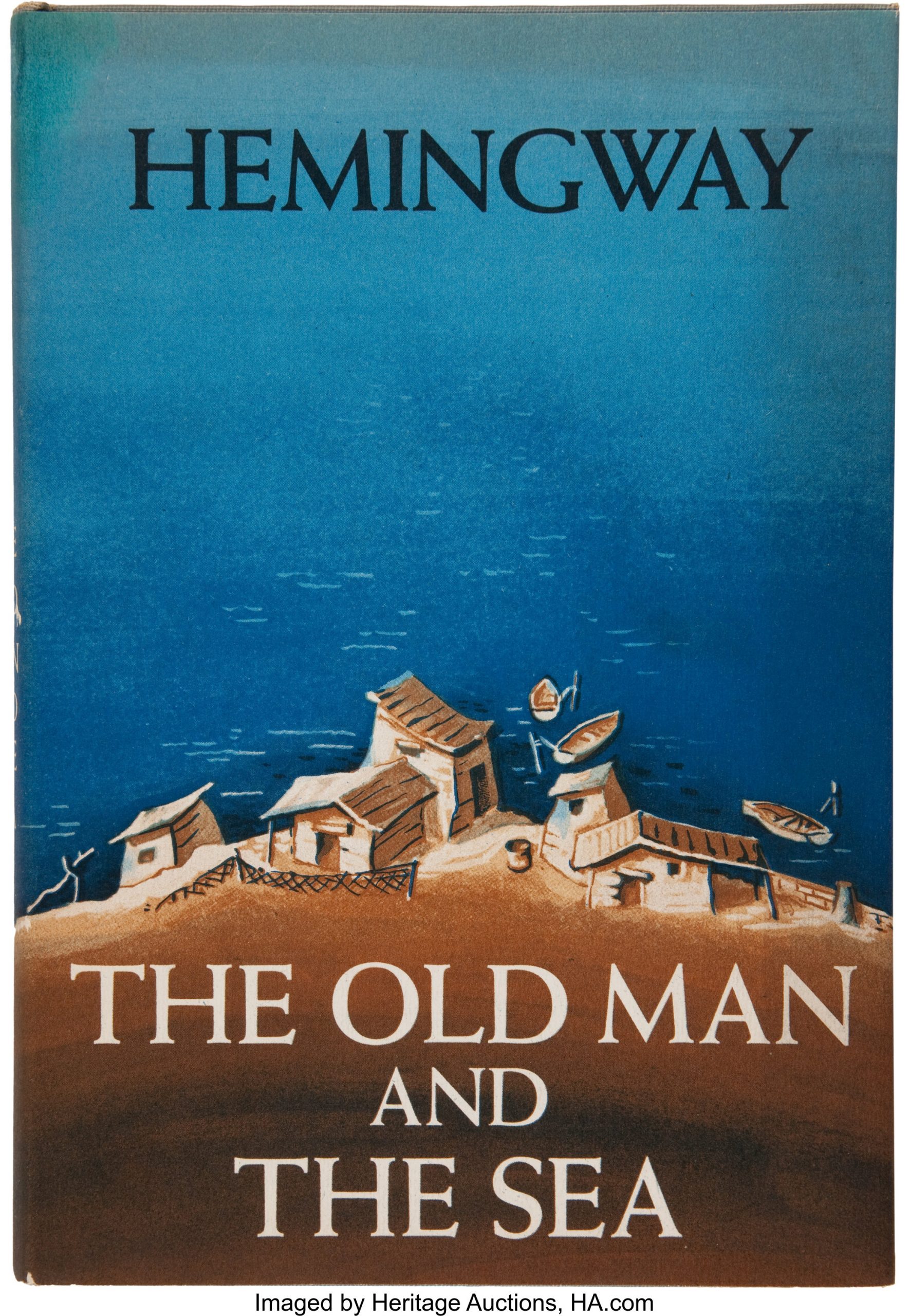
During World War II, Salinger met and corresponded with Hemingway, whom he acknowledged as an influence. In a letter to Hemingway, Salinger claimed their talks "had given him his only hopeful minutes of the entire war" and jokingly "named himself national chairman of the Hemingway Fan Clubs". In 2002, a fossil billfish from the Danata Formation of Turkmenistan was named Hemingwaya after Hemingway, who prominently featured a marlin in The Old Man and the Sea.
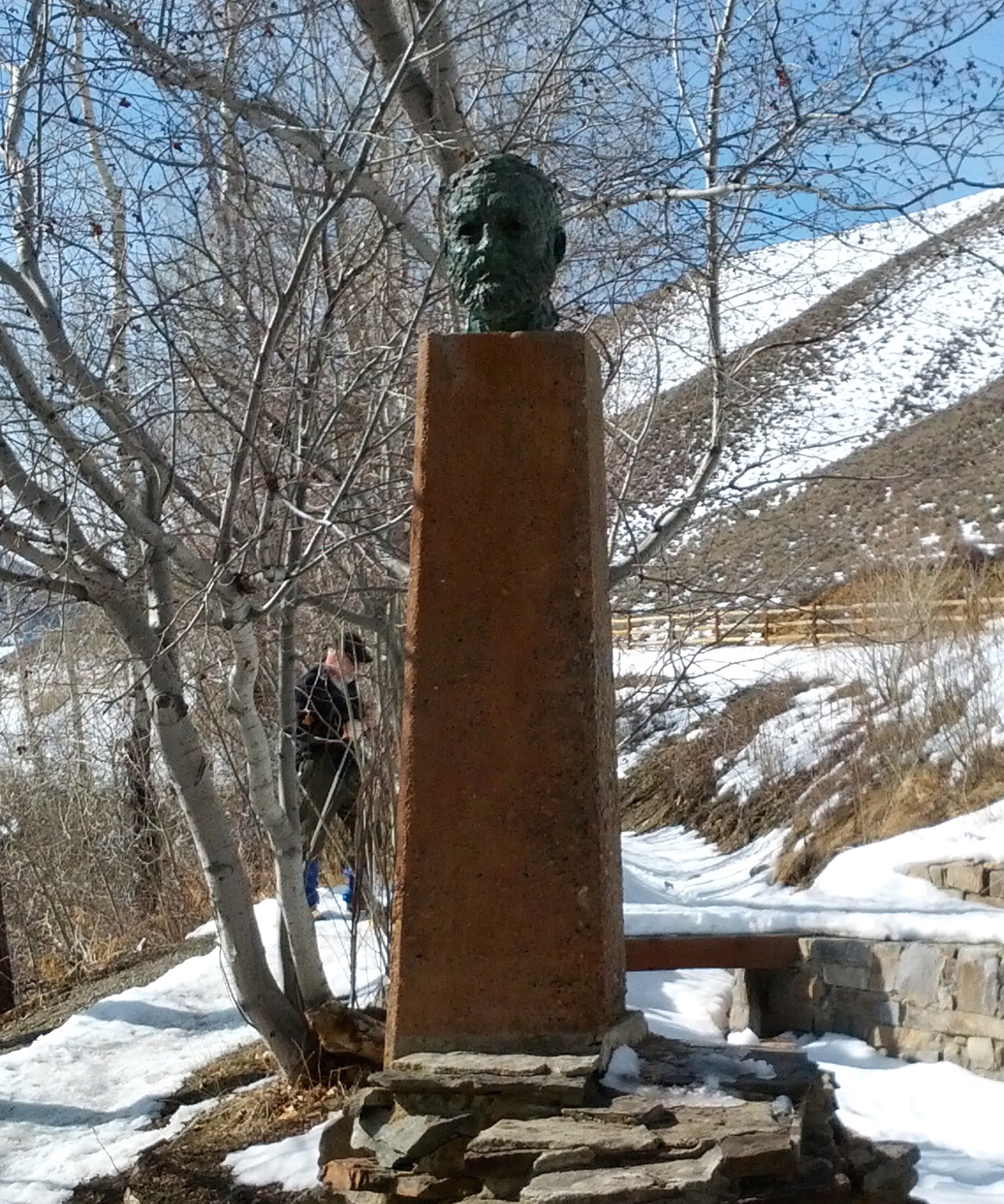
Mary Hemingway established the Hemingway Foundation in 1965, and in the 1970s, she donated her husband's papers to the John F. Kennedy Library. In 1980, a group of Hemingway scholars gathered to assess the donated papers, subsequently forming the Hemingway Society, "committed to supporting and fostering Hemingway scholarship", publishing The Hemingway Review. His granddaughter Margaux Hemingway was a supermodel and actress and co-starred with her younger sister Mariel in the 1976 movie Lipstick.