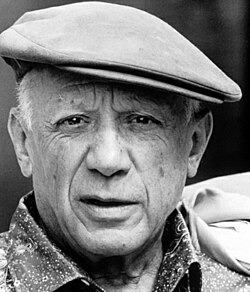
Pablo Picasso
Pablo Ruiz Picasso was a Spanish painter, sculptor, printmaker, ceramicist and theatre designer who spent most of his adult life in France. Regarded as one of the most influential artists of the 20th century, he is known for co-founding the Cubist movement, the invention of constructed sculpture, the co-invention of collage, and for the wide variety of styles that he helped develop and explore. Among his most famous works are the proto-Cubist Les Demoiselles d'Avignon, and Guernica, a dramatic portrayal of the bombing of Guernica by German and Italian air forces during the Spanish Civil War.
Excerpt from Google Arts and Culture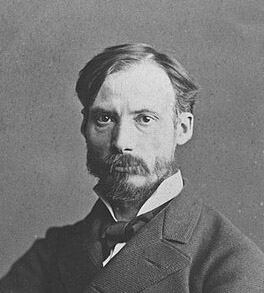
Pierre-Auguste Renoir
Renoir was one of the leading painters of the Impressionist group. He evolved a technique of broken brushstrokes and used bold combinations of pure complementary colours, to capture the light and movement of his landscapes and figure subjects. Following a visit to Italy in 1881 his style changed, becoming more linear and classical. Renoir's work seems always to be about pleasurable occasions, and reveals no great seriousness in his subjects. He apparently shocked his teacher Gleyre by saying, 'if painting were not a pleasure to me I should certainly not do it'..
Excerpt from The National Gallery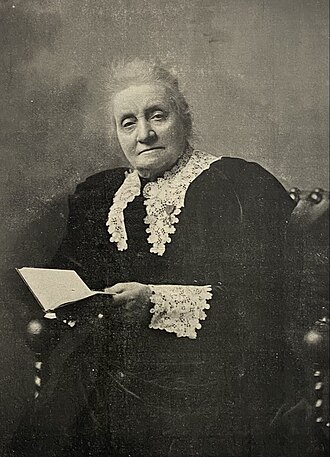
Henriëtte Ronner-Knip
Henriëtte Ronner-Knip was a Dutch-Belgian artist chiefly in the Romantic style who is best known for her still life animal paintings; especially cats.
Excerpt from Wikipedia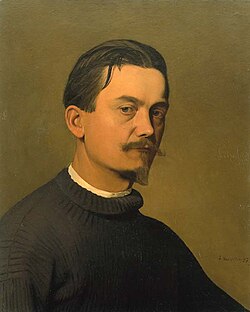
Félix Vallotton
Félix Édouard Vallotton was a Swiss and French painter and printmaker associated with the group of artists known as Les Nabis. He was an important figure in the development of the modern woodcut. He painted portraits, landscapes, nudes, still lifes, and other subjects in an unemotional, realistic style.
Excerpt from Wikipedia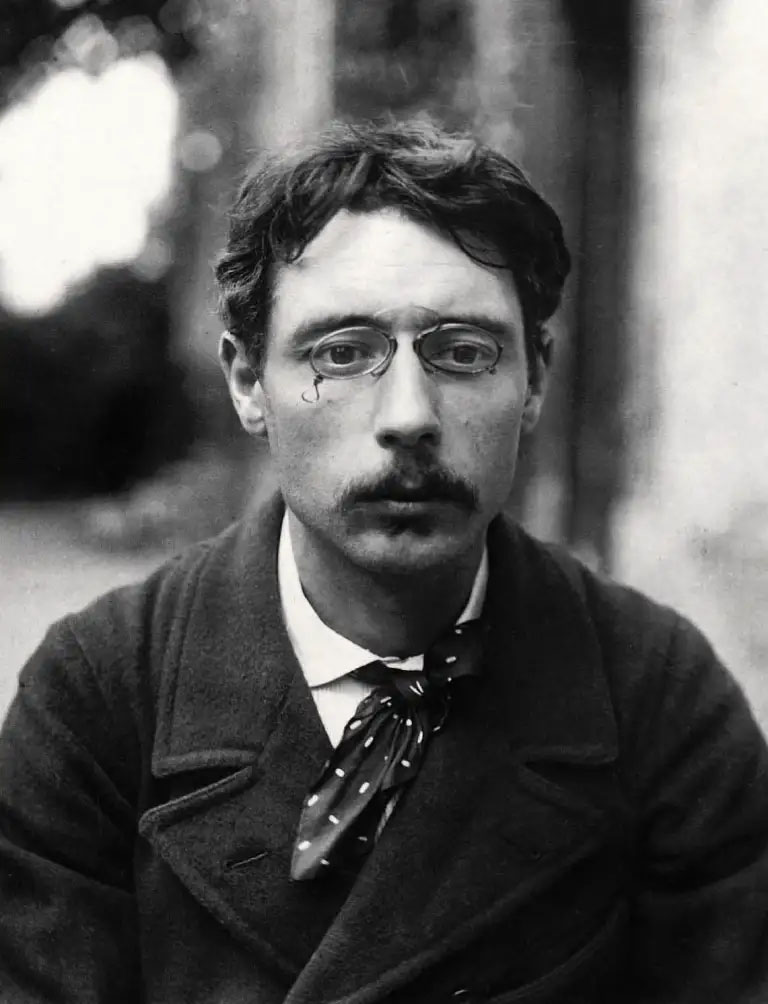
Pierre Bonnard
Pierre Bonnard was a French painter, illustrator and printmaker, known especially for the stylized decorative qualities of his paintings and his bold use of color. A founding member of the Post-Impressionist group of avant-garde painters Les Nabis, his early work was strongly influenced by the work of Paul Gauguin, as well as the prints of Hokusai and other Japanese artists. Bonnard was a leading figure in the transition from Impressionism to Modernism. He painted landscapes, urban scenes, portraits and intimate domestic scenes, where the backgrounds, colors and painting style usually took precedence over the subject.
Excerpt from Wikipedia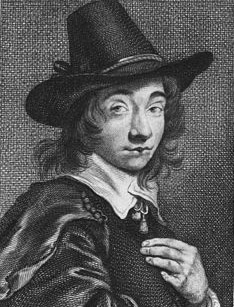
Cornelis Visscher
Cornelis Visscher was one of the city's most celebrated and prolific portrait draftsmen and printmakers. His portraits were ambitious: Visscher frequently worked on a large scale and created highly finished likenesses in black chalk on luxurious vellum. He probably studied with Pieter Soutman, a pupil of Rubens, and in 1649 he made numerous portrait engravings, which Soutman supervised. A year later, Visscher is believed to have set up on his own and several years later, he joined Haarlem's Guild of St. Luke. Although he died in his early thirties, Visscher created nearly two hundred prints and a large number of drawings
Excerpt from Getty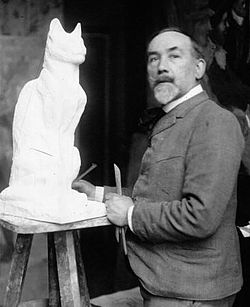
Théophile Steinlen
Steinlen was an emblematic artist of the late 19th century in Montmartre. He also drew, painted, illustrated, designed posters, and sculpted and had anarchist leanings. He preferred drawing and pastel to depicting everyday life on the street and the small trades. From 1883 to 1920 he produced hundreds of drawings published in various magazines of the time. He realised some politically oriented ones under a nickname.
Excerpt from Musee Protestant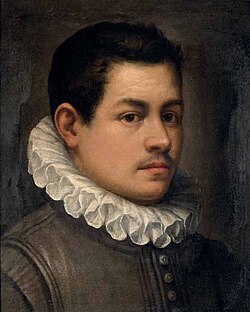
Annibale Carracci
Annibale Carracci (1560–1609) was the most admired painter of his time and the vital force in the creation of Baroque style. Together with his cousin Ludovico and his older brother Agostino, each an outstanding artist, Annibale set out to transform Italian painting. The Carracci rejected the artificiality of Mannerist painting, championing a return to nature coupled with the study of the great northern Italian painters of the Renaissance, especially Correggio, Titian, and Veronese. During the 1580s, the Carracci were painting the most radical and innovative pictures in Europe.
Excerpt from Met Museum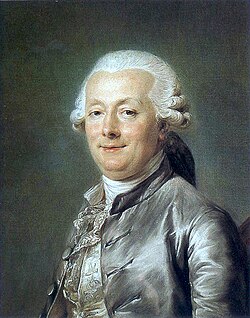
Jean-Jacques Bachelier
Jean-Jacques Bachelier was a French painter and director of the porcelain factory at Sèvres. Admitted to the Académie Royale de Peinture et de Sculpture in 1752, he founded an art school using his own means in Paris in 1765 for the artisans in the historic collège d'Autun.
Excerpt from Wikipedia