Buddhism
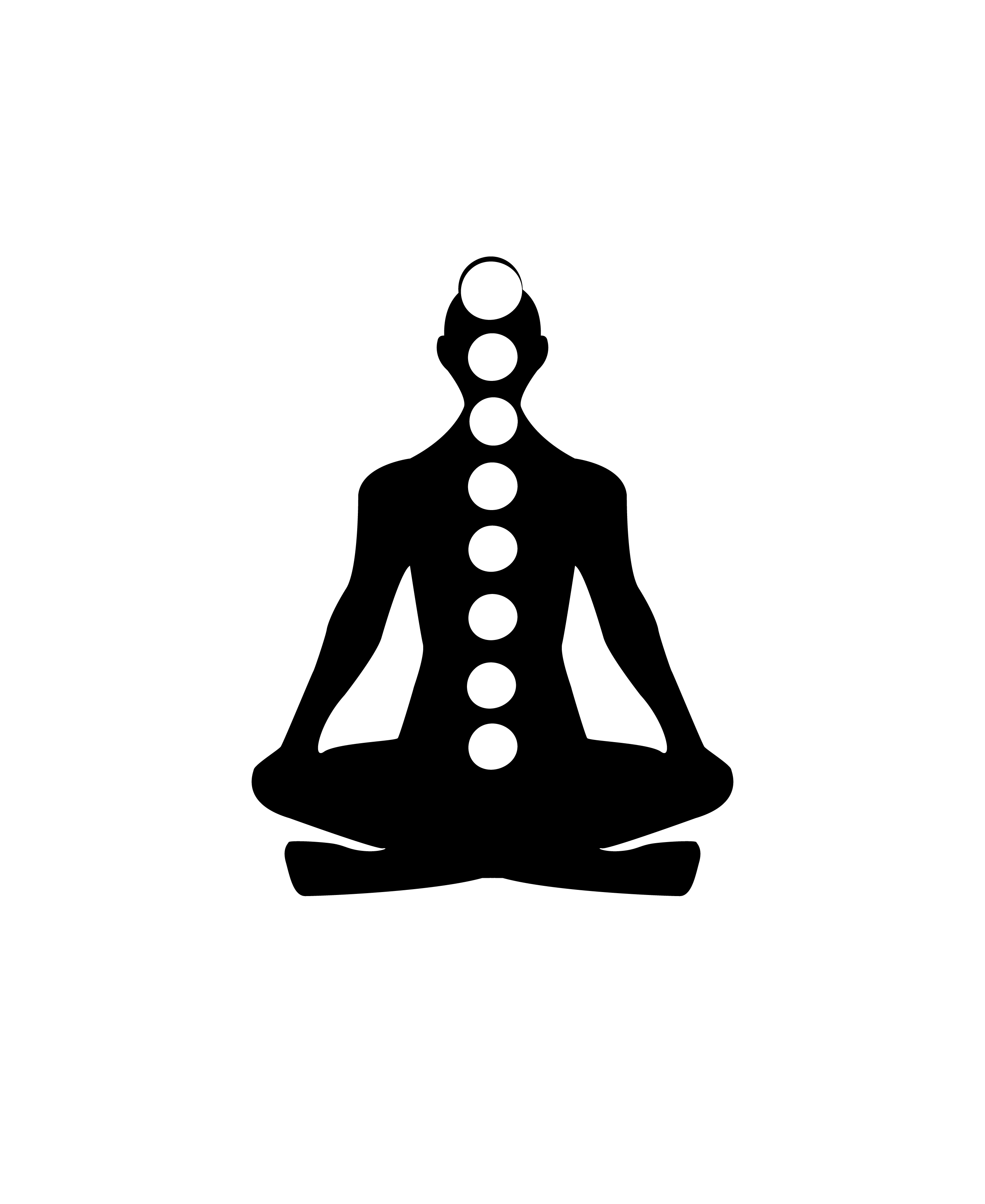
In Buddhism and particularly Vajrayana traditions chakras are vital energy centers used as meditation tools to transform the mind and body into a “light body.” These centers are seemed and used in meditations to manipulate subtle energies for spiritual awakening rather than just physical health. The chakra system is so pervasive now that even those who are not spiritually inclined, seem to have heard of it, or have little knowledge of it.
It has developed over the years in a fixed set of associations such as certain colors, crystals, attributes, scents and islamic names of god. There is more to the chakras than the bio-field without recourse to thinking about chakras at all but within the realm of the chakra-orientated.
Vajrayana Buddhism
In Vajrayana what the chakras mean to the followers and teachings is much more than pretty symbols. Chakras act as focal points for meditation in the body, aiming to cultivate awakening, bliss and to transform energy into spiritual realization.
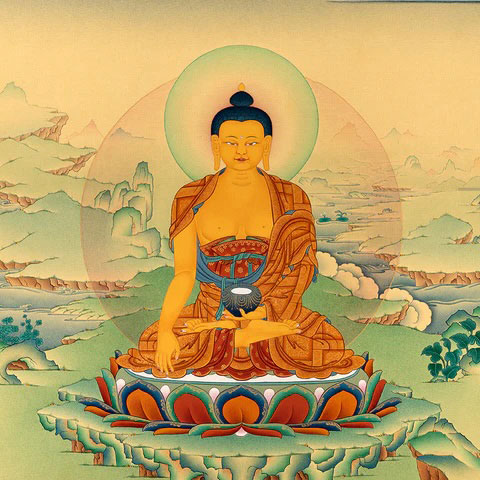
Different beliefs in Buddhism lead to different chakra beliefs as well. Each teachings have their own belief system of how the chakras work for them. I was drawn to Vajrayana. Which is the tantric branch of buddhism that is extremely focused on achieving enlightenment through “pure perception,” viewing oneself as a buddha utilizing ritual, mantra and deity yoga.
Specifically in Vajrayana Buddhism, they believe in four center chakras. They are visualized as lotus-like “petals” with specific seed syllables, colors and deities that are significant in their cultivation of enlightenment. Consisting of the primary system. The naval, the heart, the throat and the crown. In this specific focus of buddha, colors are vary based on the specific Tantra, Kalachakra and highest yoga tantra, but commonly include, white for heart, red for throat and multicolored for crown.